Introduction
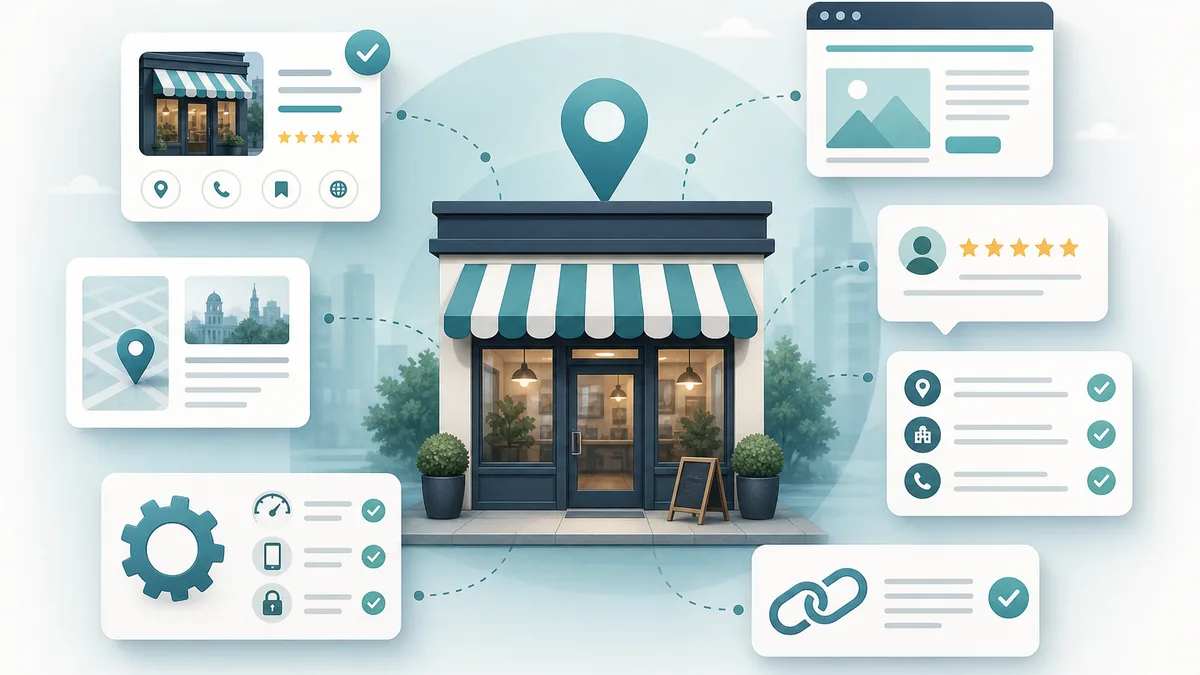
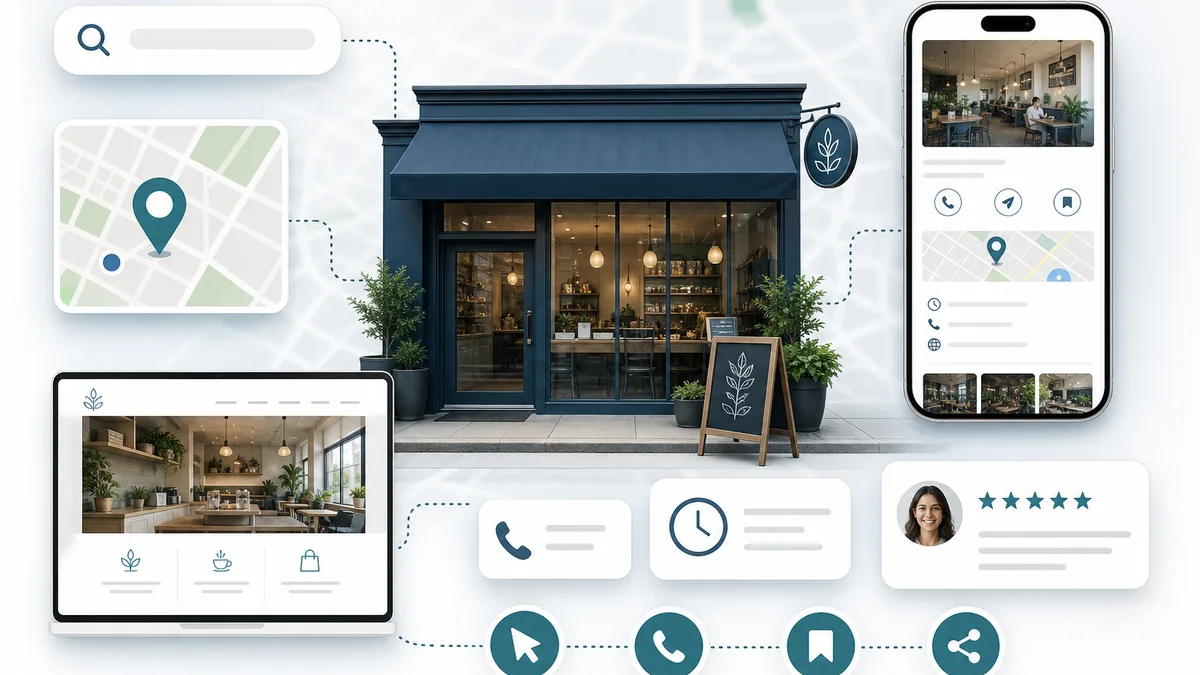
Local SEO helps businesses become visible when nearby customers search for products or services online. While many business owners understand the importance of appearing in Google Search or Google Maps, fewer understand what actually happens behind the scenes.
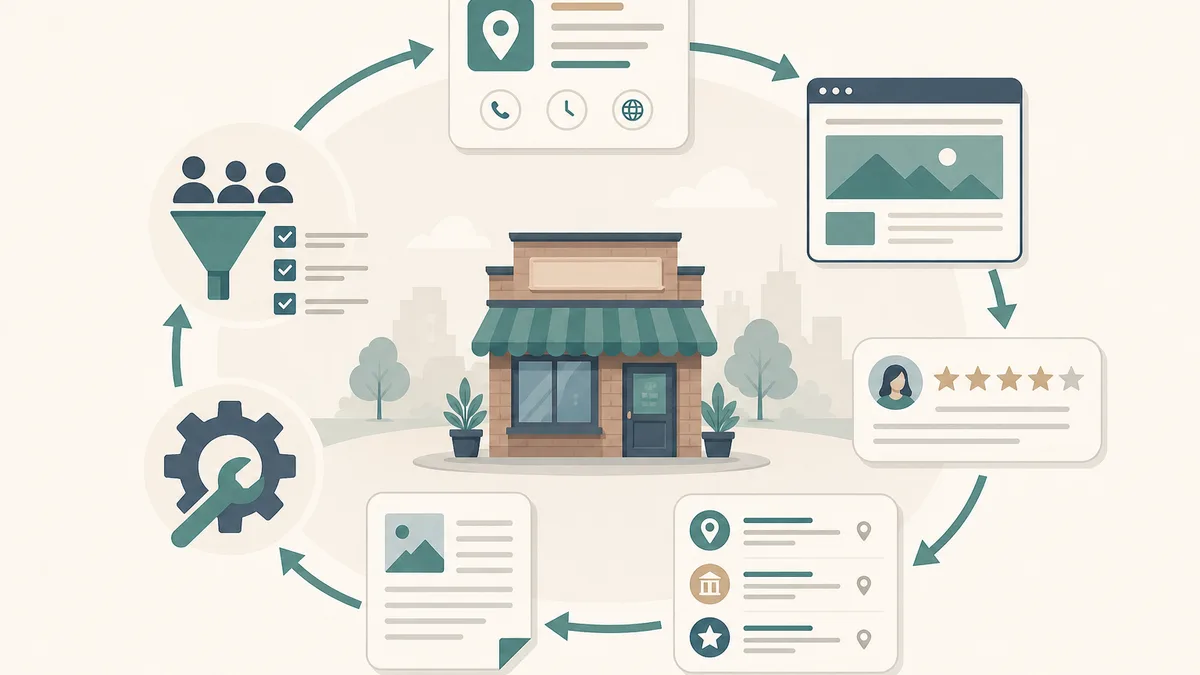
Local SEO is not a single action or tool. Instead, it is a combination of website optimization, accurate business information, local relevance, reputation, technical quality, and useful content that helps search engines understand when a business should appear for a local search.
For example, when someone searches for "plumber in Pittsburgh" or "dentist near me," Google evaluates many different signals before deciding which businesses to display. It looks at the searcher's location, the business profile, website content, reviews, relevance, and many other factors.
Understanding how Local SEO works helps businesses focus on long-term improvements instead of chasing shortcuts or outdated ranking tactics.
What Does Local SEO Actually Do?
Local SEO improves a business's ability to appear when potential customers search within a specific geographic area.
Instead of targeting users across an entire country, Local SEO focuses on connecting businesses with people who are most likely to become customers because they are searching within the business's service area.
A successful Local SEO strategy helps search engines answer four important questions:
- What services does this business offer?
- Where does this business operate?
- Is this business relevant to the search?
- Is this business trustworthy enough to recommend?
The clearer those answers become, the easier it is for search engines to understand where a business belongs in local search results.
Local SEO also improves the quality of information customers see before they contact a business. Accurate addresses, opening hours, reviews, service descriptions, and website information help customers make informed decisions.
How Google Understands Local Businesses
Search engines collect information from many different sources.
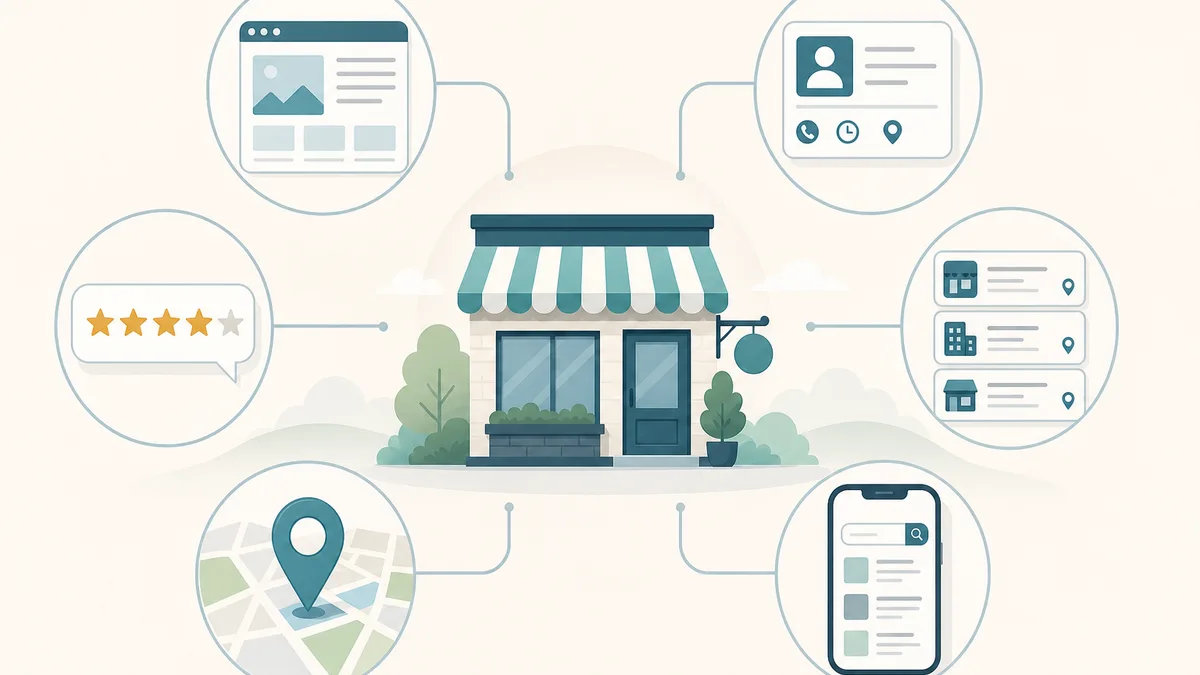
Rather than relying on a single website, Google compares information across multiple trusted locations to build confidence that a business is genuine and relevant.
Common sources include:
- Google Business Profile
- Business website
- Local directories
- Industry directories
- Customer reviews
- Business citations
- Structured data
- Internal website content
- External links
- Public business information
Google compares these signals to better understand:
- Business identity
- Services
- Categories
- Service areas
- Contact information
- Reputation
- Website quality
When information is consistent across these sources, search engines have a clearer understanding of the business.
Conflicting addresses, different phone numbers, outdated hours, or inconsistent business names may create confusion and reduce confidence in the available information.
 Local SEO Wiser
The Three Core Local Ranking Factors
Google evaluates many signals, but three concepts remain central to local search.
Relevance
Relevance measures how closely a business matches what the customer is searching for.
Relevant signals may include:
- Business category
- Services offered
- Website content
- Page titles
- Location information
- Search intent
- Structured data
A business should clearly explain what it actually does. Using unrelated categories or vague service descriptions can make it harder for search engines to determine relevance.
Distance
Distance considers how close a business is to the location associated with the search.
That location may come from:
- The city included in the search
- The user's current location
- Google Maps location settings
- Business address
- Service area configuration
Businesses cannot control where a customer searches from, but they can ensure that their service areas and location information are accurate.
Prominence
Prominence reflects how established and well known a business appears online.
Possible signals include:
- Genuine customer reviews
- Local citations
- Quality backlinks
- Brand mentions
- Website authority
- Helpful content
- Consistent business information
Prominence develops over time through real business activity rather than shortcuts or artificial tactics.
 Local SEO Wiser
The Role of Google Business Profile
Google Business Profile is one of the most important sources of information used in local search.
It allows a business to manage details that may appear in Google Search and Google Maps, including:
- Business name
- Primary category
- Additional categories
- Address
- Service areas
- Phone number
- Website
- Opening hours
- Services
- Photographs
- Business description
- Customer reviews
- Business updates
A complete profile helps Google and potential customers understand the business. However, simply creating a profile does not guarantee strong visibility.
The information must be accurate, relevant, and consistent with the way the business operates in the real world.
Business Categories
The primary business category is an important relevance signal. It should describe the main activity of the company as accurately as possible.
Additional categories can be used when they represent genuine parts of the business. They should not be selected merely because they contain desirable keywords.
For example, an accounting firm should not select unrelated financial categories unless it actually provides those services.
Business Information
The business name, telephone number, address, website, and hours should be correct.
A business should use its genuine real-world name. Adding unnecessary service or location keywords to the business name can mislead customers and may conflict with platform guidelines.
Service-area businesses should list areas they genuinely serve. They should not create false locations or use addresses where the business does not operate.
Services and Description
The services section helps explain what the company offers.
Service names and descriptions should be clear and useful. They should reflect genuine offerings rather than attempting to include every possible keyword variation.
The business description should explain the company in a natural way. It should help customers understand the services, market, and distinguishing information without making unsupported claims.
Photos and Updates
Relevant photographs can help customers understand the business before making contact.
Depending on the company, useful images may include:
- Business location
- Team members
- Equipment
- Completed work
- Products
- Service vehicles
- Office environment
Images should be genuine and appropriate. Stock photographs should not be presented as evidence of actual staff, locations, or completed work.
Profile updates can be useful for announcing genuine changes, services, offers, events, or important business information. They should support the customer experience rather than becoming repetitive promotional content.
How Your Website Supports Local SEO
Google Business Profile is important, but it is only one part of Local SEO.
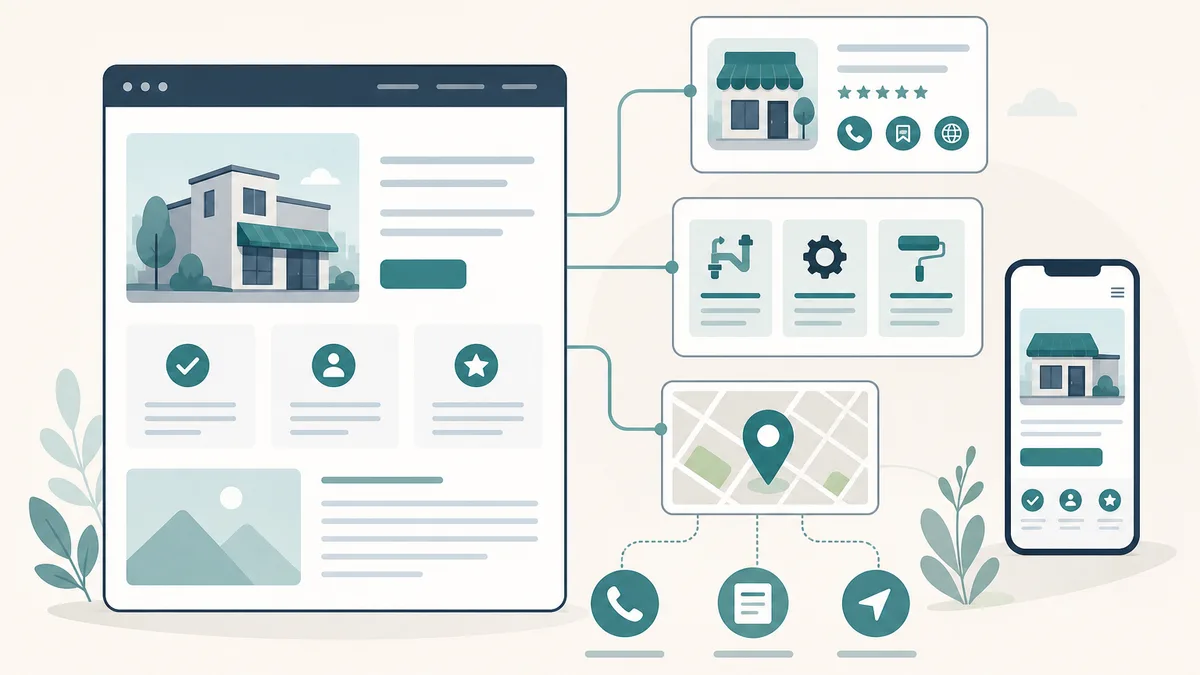
The website gives a business more space to explain its services, locations, experience, process, policies, and answers to customer questions.
A strong website can help search engines understand:
- Which services the business provides
- Which locations it serves
- How pages relate to one another
- Which pages are most important
- Whether information is consistent
- Whether the site is technically accessible
- Whether visitors can complete useful actions
The website also supports potential customers who want more information before calling, visiting, or requesting a quote.
A useful local business website should make essential information easy to find.
This commonly includes:
- Services
- Locations or service areas
- Contact details
- Opening hours
- About information
- Reviews or genuine customer feedback
- Frequently asked questions
- Clear calls to action
Search visibility should not come at the expense of usability. A page filled with repeated location names may target keywords, but it may still fail to help a real customer.
 Local SEO Wiser
Local Keyword Research
Local keyword research identifies how potential customers search for particular services in a specific market.
The purpose is not simply to find phrases with high search volume. The goal is to understand the language, needs, and intent of people who may genuinely use the business.
Common local search formats include:
- Service plus city
- Service plus neighborhood
- Business type plus location
- Service plus near me
- Urgent service plus location
- Specific problem plus location
- Professional plus city
- Best or top business type plus location
Examples include:
- Dentist in Shadyside
- Plumber in Pittsburgh
- HVAC repair in Monroeville
- Accountant in Mt. Lebanon
- Pest control company near me
- Emergency electrician in South Hills
Understanding Search Intent
Two searches containing similar words may have different purposes.
A person searching for “how to repair a leaking pipe” may want instructions. Someone searching for “emergency plumber near me” is more likely to need immediate professional help.
Keyword research should distinguish between:
- Informational searches
- Commercial research
- Service searches
- Urgent searches
- Navigational searches
- Location-based searches
This distinction helps determine whether a keyword belongs on a service page, location page, blog article, FAQ, or another part of the website.
Avoiding Keyword Stuffing
Keywords should guide content, not dominate it.
Repeating the same service and city phrase unnaturally does not make a page more useful. It can reduce readability and make the business appear less credible.
A page should explain the topic clearly using natural language, related terms, customer questions, and genuine service information.
Service Pages
Service pages explain individual services offered by the business.
A useful service page should answer questions such as:
- What does the service include?
- Who is the service for?
- What problems does it address?
- How does the process work?
- Where is the service available?
- What should the customer do next?
A company may need separate pages for major services when each page can provide distinct and useful information.
For example, a plumbing company may have separate pages for:
- Emergency plumbing
- Drain cleaning
- Water heater services
- Sewer repair
- Commercial plumbing
These pages should not be created only to target slight keyword variations. Each page should represent a genuine service and provide enough information to justify its existence.
Service Page Quality
A strong service page may include:
- Clear service overview
- Common customer problems
- Service process
- Areas served
- Relevant qualifications or factual business information
- Frequently asked questions
- Contact or booking action
The page should avoid generic marketing claims that could apply to any company.
Specific, accurate explanations are more useful than repeated statements claiming that the business is the best.
Location Pages
Location pages explain how a business serves a particular city, neighborhood, or service area.
They can be helpful when the business genuinely operates across several distinct markets.
A useful location page may include:
- Services available in that area
- Relevant local context
- Service-area information
- Common customer needs
- Travel or coverage considerations
- Useful FAQs
- Links to relevant service pages
- Clear contact information
Location pages should not be produced by copying one page and changing only the location name.
Thin or duplicated pages provide little value to customers and may create unnecessary website clutter.
Legitimate Location Content
Location content should reflect real business operations.
A company should not imply that it has an office in a neighborhood when it only provides mobile services there.
The page should clearly explain whether the location is:
- A physical business location
- An office
- A storefront
- A service area
- A region covered by mobile staff
Accuracy helps customers understand what to expect and prevents misleading location claims.
Customer Reviews and Reputation
Customer reviews influence how potential customers evaluate a business.
They may provide information about:
- Service quality
- Communication
- Professionalism
- Reliability
- Responsiveness
- Customer experience
- Common strengths or concerns
Reviews can also help demonstrate that the business is active and serving real customers.
Building an Ethical Review Process
Businesses can ask genuine customers to leave honest feedback after an appropriate interaction.
The process should be simple and consistent.
Possible moments for requesting feedback include:
- After a completed service
- After a successful appointment
- After resolving a customer concern
- After delivery or project completion
Businesses should not:
- Purchase fake reviews
- Review their own company
- Ask employees to pretend to be customers
- Offer misleading incentives
- Prevent dissatisfied customers from leaving feedback
- Use review gating practices that misrepresent customer experience
Responding to Reviews
Responses should remain professional and helpful.
A positive review response can acknowledge the customer and reinforce appreciation.
A negative review response should avoid arguments, disclose no private information, and offer an appropriate next step when possible.
Review responses are visible to future customers, not only the original reviewer.
Local Citations
A local citation is an online mention of a business’s identifying information.
It commonly includes:
- Business name
- Address
- Phone number
- Website
Citations may appear on:
- Major business directories
- Industry directories
- Professional associations
- Local organizations
- Regional websites
- Chamber or community listings
- Supplier or partner websites
Citation Accuracy
Important listings should contain accurate information.
Common citation problems include:
- Old addresses
- Incorrect phone numbers
- Duplicate listings
- Different business names
- Broken website links
- Outdated opening hours
A smaller number of accurate and relevant citations is generally more useful than mass submission to unrelated or low-quality directories.
Citation work should focus on platforms that customers and search engines may reasonably trust.
Technical SEO
Technical SEO supports the website’s ability to be crawled, understood, indexed, and used effectively.
Important technical areas include:
- Mobile responsiveness
- Page speed
- Secure HTTPS
- Crawlable navigation
- Canonical URLs
- XML sitemap
- Robots directives
- Structured data
- Broken links
- Image optimization
- Page stability
- Redirects
- Indexing controls
Mobile Usability
Many local searches occur on mobile devices.
A website should make it easy for mobile visitors to:
- Read service information
- Tap telephone numbers
- Open directions
- Submit forms
- Navigate between pages
- View images
- Find opening hours
Small buttons, horizontal scrolling, intrusive popups, and slow pages can make it harder for customers to contact the business.
Website Speed
Page speed can affect both user experience and website performance.
Common causes of slow local business websites include:
- Oversized images
- Unnecessary scripts
- Poor hosting
- Heavy page builders
- Excessive animations
- Unoptimized fonts
- Third-party widgets
Technical improvements should preserve useful design and functionality while reducing unnecessary delays.
Structured Data
Structured data helps search engines interpret certain information on a page.
Depending on the page, relevant schema may include:
- Organization
- Local business
- Service
- Article
- Breadcrumb
- FAQ
Structured data should represent information that is genuinely present and visible on the page.
It should not be used to create fake reviews, ratings, addresses, or business information.
Internal Linking
Internal links connect pages within the same website.
They help search engines and users understand the relationship between:
- Service pages
- Location pages
- Industry pages
- Blog articles
- Contact pages
- About pages
- Supporting resources
For example, a general Local SEO guide may link to a detailed article about Google Business Profile optimization. A location page may link to the service pages available in that area.
Useful Internal Links
An internal link should provide a logical next step.
Good internal links may:
- Explain a related topic
- Lead to a relevant service
- Help a visitor contact the company
- Connect a supporting article
- Clarify a term
- Guide users to location-specific information
Links should not be inserted into every repeated keyword.
The anchor text should clearly describe the destination without becoming repetitive or manipulative.
Local Content Strategy
A local content strategy helps a business answer customer questions and demonstrate relevance to its services and market.
Useful content may include:
- Service guides
- Location guides
- Frequently asked questions
- Problem-solving articles
- Maintenance advice
- Comparison content
- Industry resources
- Business updates
- Local process explanations
Content should be based on genuine customer needs.
A roofing company may explain warning signs of roof damage. An accounting firm may publish information about preparing documents for a consultation. A dentist may answer questions about common treatments.
The purpose should be to help potential customers understand the issue and decide what action to take.
Avoiding Duplicate Content
Businesses should avoid publishing many pages that communicate the same information.
Common examples include:
- Identical city pages
- Repeated service descriptions
- Several articles targeting the same question
- Industry pages with only the industry name changed
- Near-duplicate FAQ pages
Before creating a new page, the business should determine whether the topic deserves its own resource or belongs within an existing page.
A clear content map helps prevent competing pages from targeting the same search intent.
 Local SEO Wiser
Measuring Local SEO Success
Local SEO performance should be measured through several indicators rather than one ranking report.
Useful measurements may include:
- Visibility for relevant searches
- Google Business Profile interactions
- Organic traffic to service pages
- Organic traffic to location pages
- Phone calls
- Contact form submissions
- Appointment requests
- Quote requests
- Direction requests
- Conversions by landing page
- Genuine review growth
Rankings
Rankings can show whether visibility is improving, but they require context.
Local results may vary based on:
- Searcher location
- Device
- Search history
- Search wording
- Time
- Competition
A single manual search does not provide a complete view of performance.
Leads and Business Outcomes
The purpose of Local SEO is not simply to increase impressions.
A campaign should help the business connect with relevant potential customers.
Tracking calls, forms, bookings, and quote requests can provide a clearer view of whether search visibility is supporting business goals.
Not every interaction becomes a customer, so reporting should distinguish between visibility, inquiries, qualified leads, and completed business.
Common Local SEO Mistakes
Local SEO problems often occur when businesses focus on shortcuts rather than building a clear and accurate online presence.
Common mistakes include:
- Using inconsistent business information
- Selecting unrelated profile categories
- Adding keywords to the business name improperly
- Creating fake locations
- Publishing thin location pages
- Repeating keywords unnaturally
- Buying fake reviews
- Ignoring negative customer feedback
- Submitting to low-quality directories
- Neglecting technical website problems
- Ignoring mobile users
- Creating duplicate service pages
- Measuring only rankings
- Expecting immediate results
- Focusing only on Google Business Profile
A sustainable Local SEO strategy should accurately represent the business and improve the information available to customers.
Shortcuts may create temporary activity, but they do not replace relevant services, accurate details, a useful website, genuine reputation, and consistent maintenance.