
What Is Local SEO?
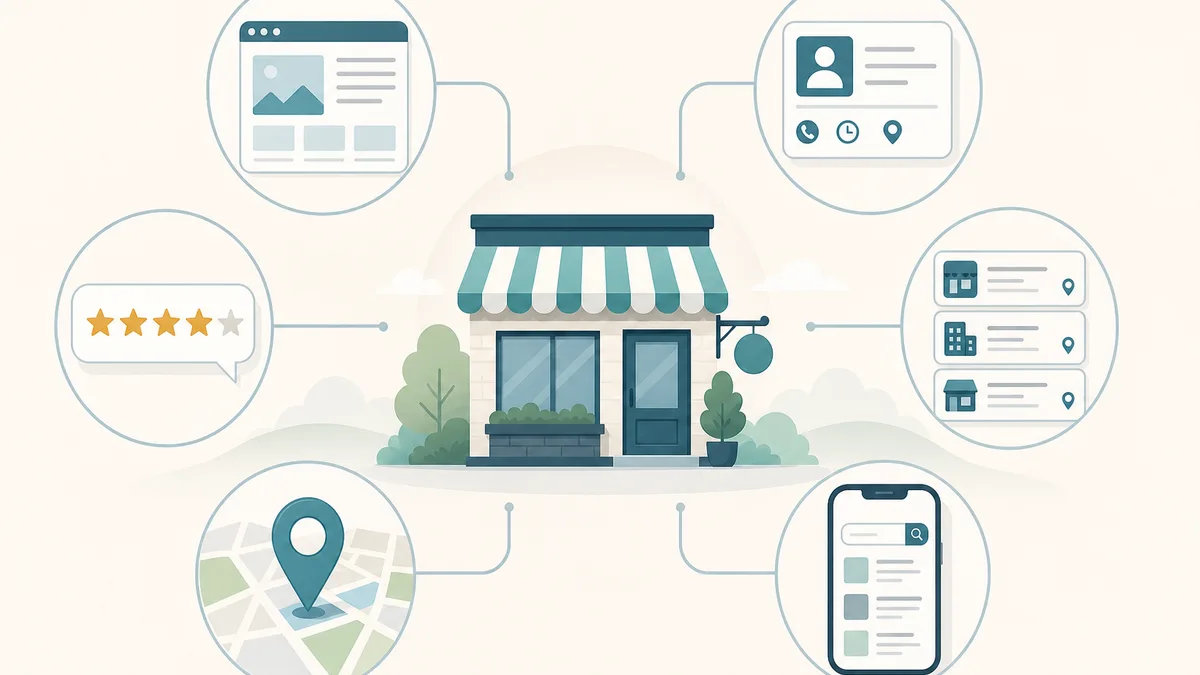
Local SEO is the process of improving a business's visibility when people search online for products or services in a particular geographic area. It helps search engines understand what a business offers, where it operates, and when it may be relevant to nearby customers.
A person looking for a local provider may search for a dentist near them, a plumber in Pittsburgh, an accounting firm in Mt. Lebanon, or a roofing company serving Cranberry Township. Google then attempts to show businesses that are relevant to the requested service and connected to the searcher's location.
Local SEO can help a business appear across Google Search, Google Maps, local business results, and location-focused organic pages. It is especially useful for companies that depend on customers from a defined city, neighborhood, region, or service area.
The purpose of Local SEO is not simply to increase website traffic. A successful strategy should make it easier for suitable potential customers to find accurate information, understand the services offered, and take the next appropriate action.
That action may include calling the business, visiting a physical location, requesting a quote, booking an appointment, viewing directions, or submitting a contact form.
How Is Local SEO Different From Traditional SEO?
Local SEO and traditional SEO share many foundations. Both may involve keyword research, website content, technical improvements, internal linking, mobile usability, and search-friendly page structures.
The main difference is the intent and geographic focus of the search.
Traditional SEO often targets broader searches that are not tied to one location. For example, a company may publish a guide answering a general question that could be useful to people across an entire country.
Local SEO focuses on searches where the user wants a nearby business or a provider serving a specific market. Examples include:
- Local SEO company in Pittsburgh
- Dentist in Shadyside
- Emergency plumber near me
- HVAC repair in Monroeville
- Accountant in Mt. Lebanon
- Pest control company in South Hills
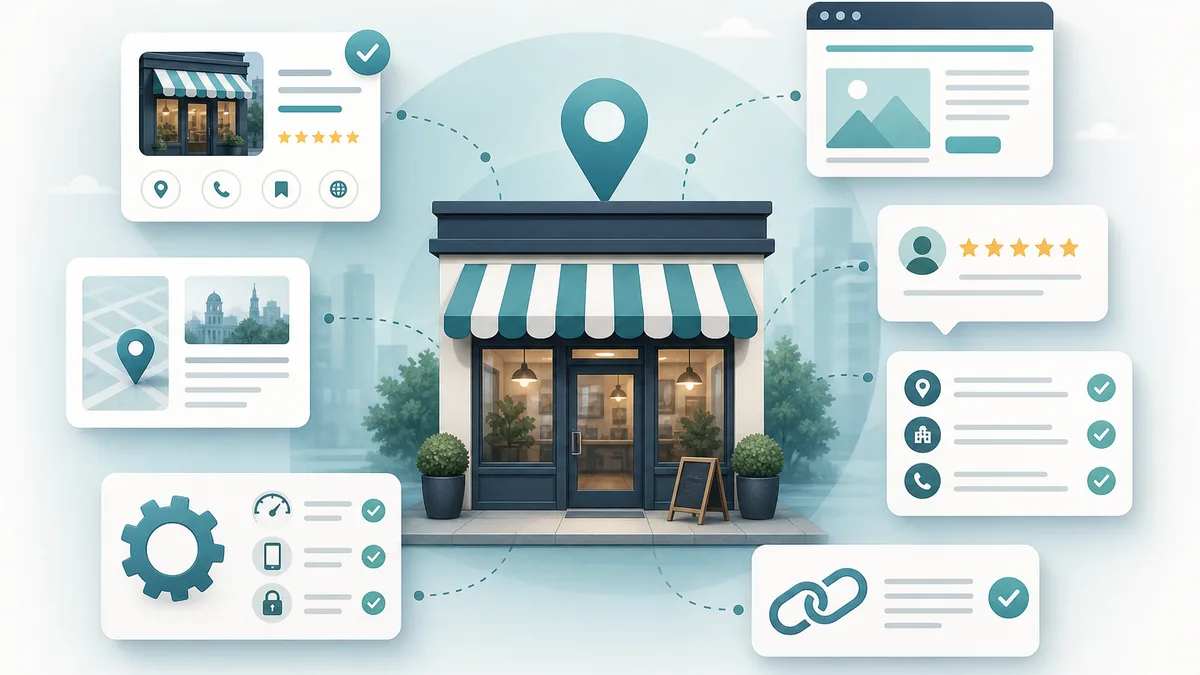
Local SEO also gives additional importance to business information that may not play the same role in a national campaign. This includes the Google Business Profile, business categories, service areas, local reviews, local citations, location pages, and name, address, and phone consistency.
A local business still needs a useful website. A Google Business Profile alone does not replace strong service pages, accurate content, technical SEO, or a clear customer experience.
Who Needs Local SEO?
Local SEO is relevant to businesses that serve customers within a defined geographic market.
This includes companies with physical locations where customers visit, as well as service-area businesses that travel to customers.
Examples include:
- Dentists
- Doctors
- Lawyers
- Plumbers
- HVAC companies
- Electricians
- Roofing companies
- Restaurants
- Real estate agents
- Insurance agencies
- Financial advisors
- Accounting firms
- Pest control companies
A business does not need multiple locations or a large marketing team to benefit from Local SEO. Independent professionals, small companies, and established regional organizations can all improve how clearly they are represented in local search.
Local SEO may be less important for a company that operates entirely online and has no geographic service focus. However, an online company may still use local optimization when it maintains regional offices, runs local events, or serves selected markets.
Why Local SEO Matters
Many customers begin their buying journey with a search engine. Before contacting a business, they may compare several providers and review the information available online.
Potential customers may look at:
- Services
- Business location
- Service areas
- Opening hours
- Reviews
- Photos
- Website quality
- Contact details
- Directions
- Availability
- Frequently asked questions
A business that is difficult to find may lose an opportunity before the customer visits its website or speaks with a team member.
Local searches can also indicate strong commercial intent. Someone searching for an emergency plumber nearby may need immediate help. A person searching for an accounting firm in Pittsburgh may already be comparing providers before arranging a consultation.
Local SEO helps a business become visible during these decision-making moments. It can also improve the accuracy and consistency of the information customers use to evaluate the company.
However, visibility alone is not enough. The business information, website content, reputation, and customer experience must also support the promises being presented in search results.
Where Local Businesses Appear in Google
A locally optimized business may appear in several parts of Google. The exact presentation can vary based on the query, device, searcher location, and available business information.
Google Maps
Google Maps allows users to search for businesses by service, category, name, or location.
Customers may use Google Maps to:
- Find nearby businesses
- Compare ratings and reviews
- View business hours
- Request directions
- Call a company
- Visit its website
- Review photographs
- Explore services
For many local businesses, Google Maps is an important discovery platform because it combines location, reputation, contact, and service information in one place.
Local Search Results
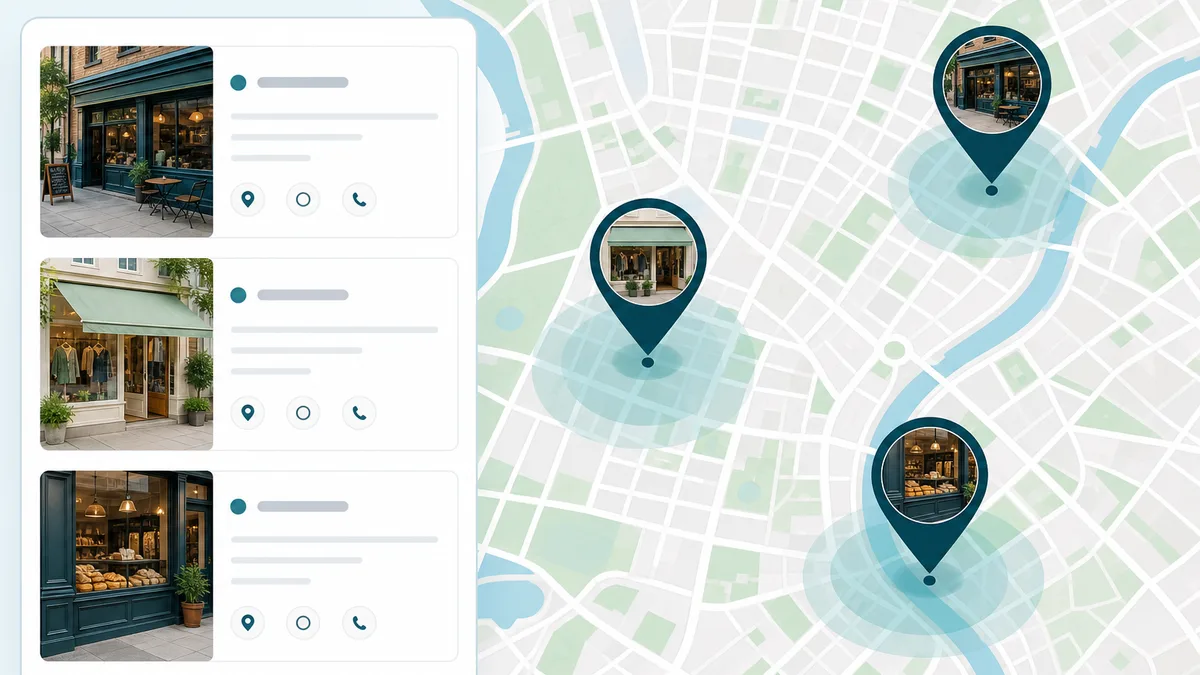
For some searches, Google displays a group of local businesses with map information near the main results.
These listings may include:
- Business names
- Categories
- Ratings
- Review counts
- Hours
- Addresses
- Service information
- Directions
- Website and call actions
The businesses shown can differ from one searcher to another because location and search intent influence the results.
Organic Search Results
Local businesses can also appear in the standard organic search results through their websites.
Relevant pages may include:
- Service pages
- Location pages
- Industry pages
- Blog articles
- About pages
- Contact pages
- Frequently asked question pages
A complete Local SEO strategy should support both the business profile and the website. These assets provide different types of information and can reinforce each other when they remain accurate and consistent.
How Does Local SEO Work?
 Local SEO Wiser
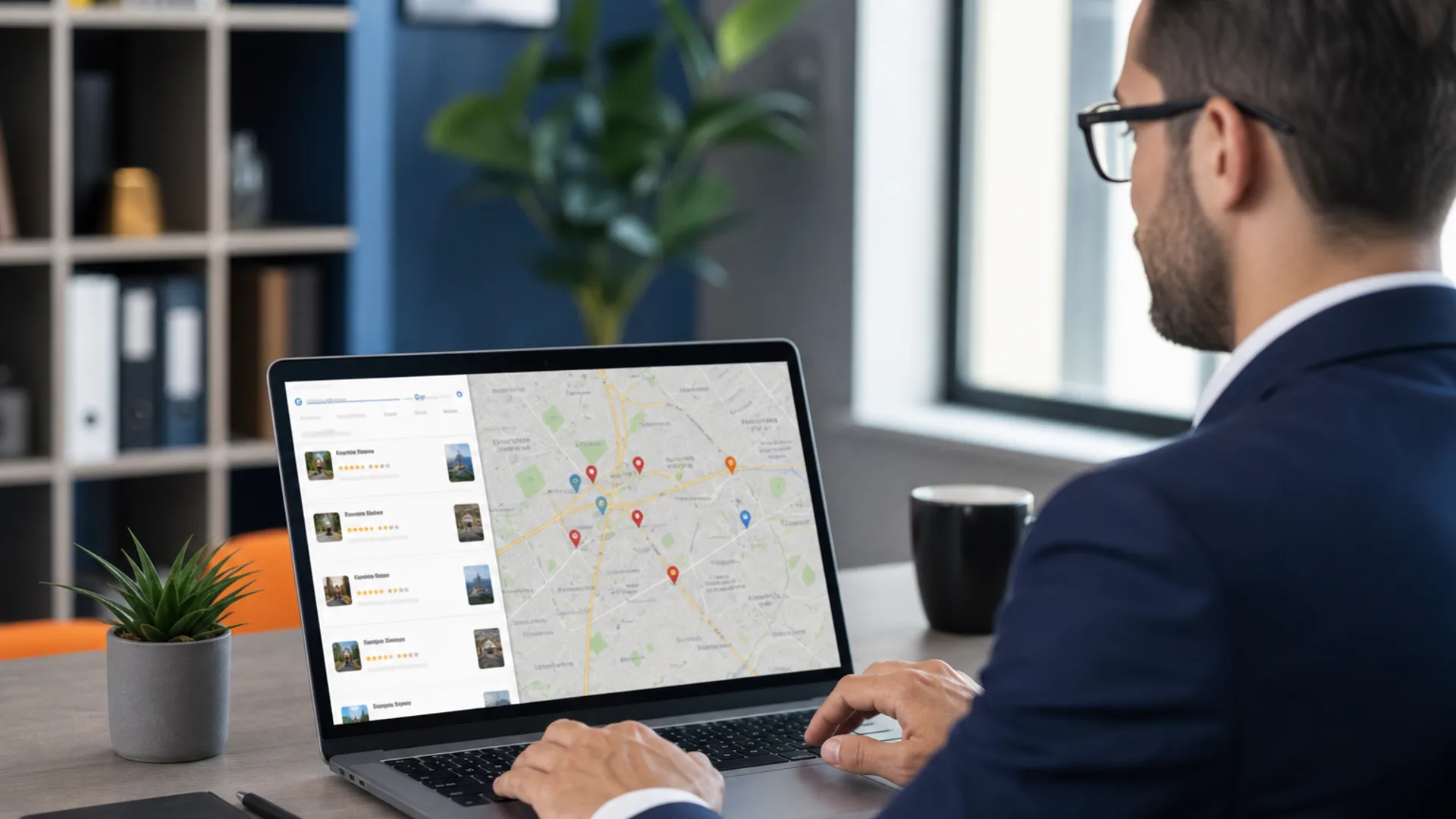
Local SEO helps search engines understand four main things:
- What the business offers
- Where the business is located or operates
- Whether it is relevant to a particular search
- Whether it appears credible enough to present to users
Search engines can collect information from several sources, including:
- Google Business Profile
- The company website
- Business directories
- Customer reviews
- Public business information
- Location details
- Relevant websites linking to the company
- Brand mentions
- User interactions
Clear and consistent information makes it easier for search engines and customers to understand the business.
For example, a plumbing company should clearly describe its plumbing services, actual service areas, contact information, and business identity. If the company's information is incomplete or different across multiple platforms, customers may struggle to determine which details are correct.
Local SEO is not achieved by repeating a location name throughout a page. A useful strategy combines accurate business information, relevant content, sound website structure, technical quality, reputation, and ongoing maintenance.
Main Elements of Local SEO
 Local SEO Wiser
Local SEO includes several connected areas. One task alone is rarely enough to create a strong local presence.
Google Business Profile
Google Business Profile allows a company to manage information that may appear in Google Search and Google Maps.
A profile may contain:
- Business name
- Primary category
- Additional categories
- Address
- Service areas
- Phone number
- Website
- Opening hours
- Services
- Photos
- Business description
- Reviews
- Business updates
The information should reflect how the business operates in the real world.
A company should use its genuine business name rather than adding unnecessary keywords. Categories should accurately describe the business, and service areas should represent locations the company genuinely serves.
The profile should also be reviewed when business information changes. Outdated hours, incorrect contact information, or irrelevant services can create a poor customer experience.
Local Keyword Research
Local keyword research identifies the language people use when looking for products or services in a particular market.
Common local keyword formats include:
- Service plus city
- Service plus neighborhood
- Business type plus location
- Service plus near me
- Specific problem plus location
- Urgent service plus location
Examples may include:
- Local SEO services in Pittsburgh
- Dentist in Shadyside
- Plumber in Lawrenceville
- Roofing company in Cranberry Township
- Accountant in Mt. Lebanon
Keyword research should consider the intent behind the phrase.
Someone searching for instructions on repairing a leaking pipe may want educational information. A person searching for an emergency plumber nearby is more likely to need a service provider.
The goal is to identify searches that genuinely match the business's services rather than selecting keywords only because they appear popular.
On-Page SEO
On-page SEO improves the content and structure of individual website pages.
For a local business, this may involve optimizing:
- Page titles
- Meta descriptions
- H1 headings
- H2 and H3 headings
- Service descriptions
- Location information
- URLs
- Image alt text
- Internal links
- Calls to action
Each page should have a clear purpose.
For example, a plumbing company may need separate, useful pages for drain cleaning, water heater services, emergency plumbing, sewer repair, and commercial plumbing.
This does not mean every keyword needs its own page. Separate pages should be created only when the business can provide meaningful, distinct information for the service or topic.
Technical SEO
Technical SEO helps search engines access, interpret, and index a website correctly.
Important areas include:
- Mobile usability
- Page speed
- Secure HTTPS connections
- Crawlable navigation
- Canonical URLs
- XML sitemaps
- Indexing controls
- Structured data
- Broken links
- Image optimization
- Page stability
Strong content may still perform poorly if search engines cannot access the website or if visitors encounter slow, unstable, or confusing pages.
Technical SEO provides the foundation needed to support service pages, location pages, articles, and other Local SEO work.
Local Citations
A local citation is an online mention of a business's identifying information.
It commonly includes:
- Business name
- Address
- Phone number
- Website
Citations may appear on business directories, professional associations, industry platforms, and local websites.
Important listings should contain accurate and consistent details. A business should not have several outdated addresses, conflicting names, or incorrect telephone numbers across major platforms.
Citation quality matters more than creating the largest possible number of directory listings. Relevant and trusted listings are generally more useful than mass submissions to low-quality websites.
Customer Reviews
Reviews can influence how potential customers evaluate a business.
Review content may help customers understand:
- Service quality
- Professionalism
- Responsiveness
- Communication
- Reliability
- Overall customer experience
Businesses should establish an ethical and consistent process for asking genuine customers for honest feedback.
They should not purchase fake reviews, create reviews for themselves, or mislead customers through improper incentives.
Professional responses to reviews can also demonstrate that the company listens to feedback and takes customer experience seriously.
Local Content
Local content helps a company explain its relevance to a particular market.
Useful local content may include:
- Detailed service pages
- Location pages
- Local business guides
- Industry-focused resources
- Frequently asked questions
- Service-area information
- Educational articles
Content should be created for real users, not simply to insert keywords.
A useful location page should explain how the company serves that area. It should not be a duplicate of another page with only the city or neighborhood name changed.
Internal Links
Internal links connect related pages within the same website.
They help visitors move from one relevant topic to another and help search engines understand how pages relate to each other.
An introductory Local SEO article may connect readers with more detailed resources about Google Business Profile optimization, local keyword research, technical SEO, citations, service pages, and location strategies.
Internal links should be added when they genuinely help the reader. They should not be inserted into every repeated keyword.
What Influences Local Search Visibility?
Local search visibility is affected by several connected ranking factors. No single task can guarantee a particular position.
Three widely recognized concepts are relevance, distance, and prominence.
Relevance
Relevance describes how closely a business matches the user's search.
Search engines may assess:
- Business categories
- Services
- Website content
- Page topics
- Location information
- Search intent
- Internal page relationships
- Structured business information
A business should clearly explain what it offers. Vague content or unrelated categories can make it harder for search engines and customers to understand the company.
Distance
Distance considers how close the business is to the location connected to the search.
The location may be based on:
- A city written in the search
- A neighborhood written in the search
- The searcher's device location
- A location selected by the user
- The business address
- The business service area
A company cannot control where each customer searches from. It can, however, keep its address, service areas, and website location details accurate.
Prominence
Prominence relates to how established or recognized a business appears.
Possible indicators may include:
- Genuine customer reviews
- Relevant links
- Trusted citations
- Brand mentions
- Local recognition
- Useful website content
- Consistent business information
- General online reputation
Prominence should grow through real business activity and sustainable marketing. Fake reviews, manipulative links, and irrelevant directory listings should not be used.
Step-by-Step Local SEO Process
A structured process helps a local business prioritize its work.
1. Audit the Current Online Presence
Review the existing Google Business Profile, website, reviews, citations, service pages, location pages, mobile usability, indexing, metadata, and technical condition.
The audit should identify inaccurate information, missing content, duplicated pages, technical problems, and realistic opportunities.
2. Confirm Business Information
Check the business name, address, phone number, website, opening hours, and service areas.
The information should match the actual business. Misleading names, locations, or service areas should not be used.
3. Improve the Google Business Profile
Review the primary category, additional categories, services, description, hours, contact details, website link, photographs, and service areas.
The profile should remain accurate and actively maintained.
4. Research Local Search Demand
Identify how potential customers search for the company's services.
Research should include core services, urgent services, high-value services, city searches, neighborhood searches, and common questions asked before hiring.
5. Build or Improve Service Pages
Each important service may need a dedicated page when the business can provide enough useful and distinct information.
A strong service page should explain the service, who needs it, what problems it addresses, how the process works, and what the visitor should do next.
6. Develop Useful Location Pages
Location pages should explain how the company serves a specific city, neighborhood, or service area.
They should include meaningful local context rather than repeating the same copy across many pages.
7. Fix Technical SEO Issues
Resolve problems involving broken links, incorrect canonical URLs, slow images, indexing, mobile usability, duplicate pages, sitemap errors, and structured data.
8. Build Accurate Citations
Create or correct listings on relevant directories, professional associations, industry platforms, and trusted local websites.
9. Establish a Genuine Review Process
Ask real customers for honest feedback at an appropriate point in the customer journey. Respond professionally to both positive and negative reviews.
10. Measure and Improve
Track relevant visibility, traffic, calls, forms, appointments, quote requests, and other meaningful actions.
Local SEO requires continued maintenance because business details, competitors, websites, and search features can change.
Common Local SEO Mistakes
Businesses can weaken their local presence when they focus on shortcuts rather than accuracy and usefulness.
Common mistakes include:
- Using inconsistent business names, addresses, or phone numbers
- Creating thin location pages
- Selecting unrelated business categories
- Ignoring mobile usability
- Publishing generic content
- Buying fake reviews
- Building low-quality citations
- Expecting immediate results
- Focusing only on the Google Business Profile
- Ignoring technical website problems
- Using misleading service areas
- Creating pages for services the business does not offer
A Local SEO strategy should represent the real business accurately. Search visibility built on misleading information is unlikely to create a reliable customer experience.
How Long Does Local SEO Take?
There is no universal Local SEO timeline.
Progress can depend on:
- Website quality
- Google Business Profile condition
- Market competition
- Business history
- Number of locations
- Technical problems
- Content quality
- Existing reputation
- Citation accuracy
- Consistency of implementation
Some tasks can be completed quickly. Business hours can be corrected, a broken link can be repaired, or an inaccurate telephone number can be updated without a long implementation period.
Search visibility generally takes longer because search engines need time to discover changes, evaluate pages, compare businesses, and process new information.
A newer company in a highly competitive market may need more time than an established provider serving a smaller geographic area.
Local SEO should therefore be viewed as an ongoing business process, not a one-time task or an immediate ranking method.
How to Measure Local SEO Performance
 Local SEO Wiser
Rankings can be useful, but they should not be treated as the only measure of performance.
A business should review several types of information.
Local Search Visibility
Monitor whether important services and location pages appear for relevant searches.
Manual searches should be interpreted carefully because results can vary by device, location, and search history.
Google Business Profile Activity
Available profile information may include website visits, phone calls, direction requests, and other interactions.
These activities are useful indicators, but every interaction should not automatically be treated as a confirmed customer.
Organic Website Traffic
Review traffic reaching service pages, location pages, contact pages, and relevant articles.
The quality and intent of the traffic are generally more important than total visitor numbers alone.
Leads and Inquiries
Track meaningful actions such as:
- Phone calls
- Contact form submissions
- Appointment requests
- Quote requests
- Email inquiries
The goal is to connect the business with relevant potential customers.
Conversions by Landing Page
Identify which pages are contributing to inquiries.
This can help a business understand whether service pages, location pages, or educational content are supporting customer actions.
Reviews and Reputation
Monitor new reviews, customer feedback, recurring concerns, and the quality of business responses.
Reviews can provide marketing insights as well as operational feedback.
Can a Business Do Local SEO Itself?
A business owner can manage some Local SEO tasks without outside support.
Useful starting actions may include:
- Updating the Google Business Profile
- Correcting business details
- Adding accurate opening hours
- Improving service descriptions
- Requesting genuine reviews
- Responding to customer feedback
- Fixing obvious broken links
- Adding relevant business photographs
- Reviewing major directory listings
- Publishing useful customer information
More advanced work may require specialist knowledge, particularly when it involves:
- Technical SEO
- Website architecture
- Structured data
- Multi-location strategies
- Large citation cleanups
- Competitor analysis
- Content planning
- Measurement systems
- Indexing problems
- Website migrations
The right approach depends on the business's available time, internal skills, website condition, goals, and level of competition.
Local SEO Checklist for Beginners
Use the following checklist as a practical starting point:
- Claim and verify the Google Business Profile
- Use the genuine business name
- Select accurate categories
- Confirm the address or service areas
- Add correct opening hours
- Add accurate contact details
- Describe the actual services offered
- Create useful service pages
- Improve mobile usability
- Compress oversized images
- Fix broken links
- Research local search language
- Build relevant internal links
- Correct important citations
- Establish an ethical review process
- Respond to customer feedback
- Publish useful local content
- Track calls, forms, and inquiries
- Review performance regularly