Introduction
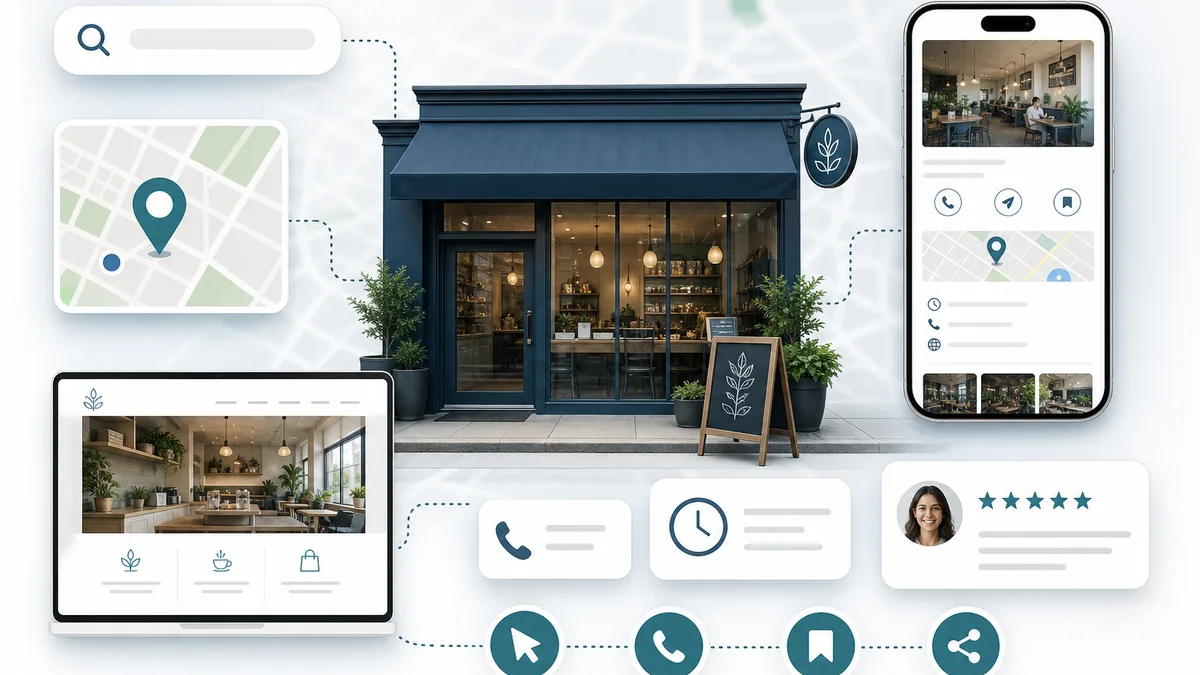
When people search for a local business, Google Maps is often one of the first places they look. Whether someone needs a plumber, dentist, accountant, restaurant, or pet grooming service, businesses that appear prominently on Google Maps have a better opportunity to attract calls, website visits, and customer enquiries.
Many business owners assume there is a single trick that improves Google Maps rankings. In reality, visibility is influenced by a combination of accurate business information, a well-managed Google Business Profile, a helpful website, genuine customer reviews, and overall Local SEO efforts.
Improving your Google Maps presence is not about finding shortcuts or manipulating search results. Instead, it involves making it easier for Google to understand your business and helping customers find reliable information when they need it.
This guide explains how Google Maps rankings work and the practical steps businesses can take to improve their local visibility using ethical and sustainable SEO practices.
How Google Maps Rankings Work
Google Maps uses multiple signals to determine which businesses appear for local searches.
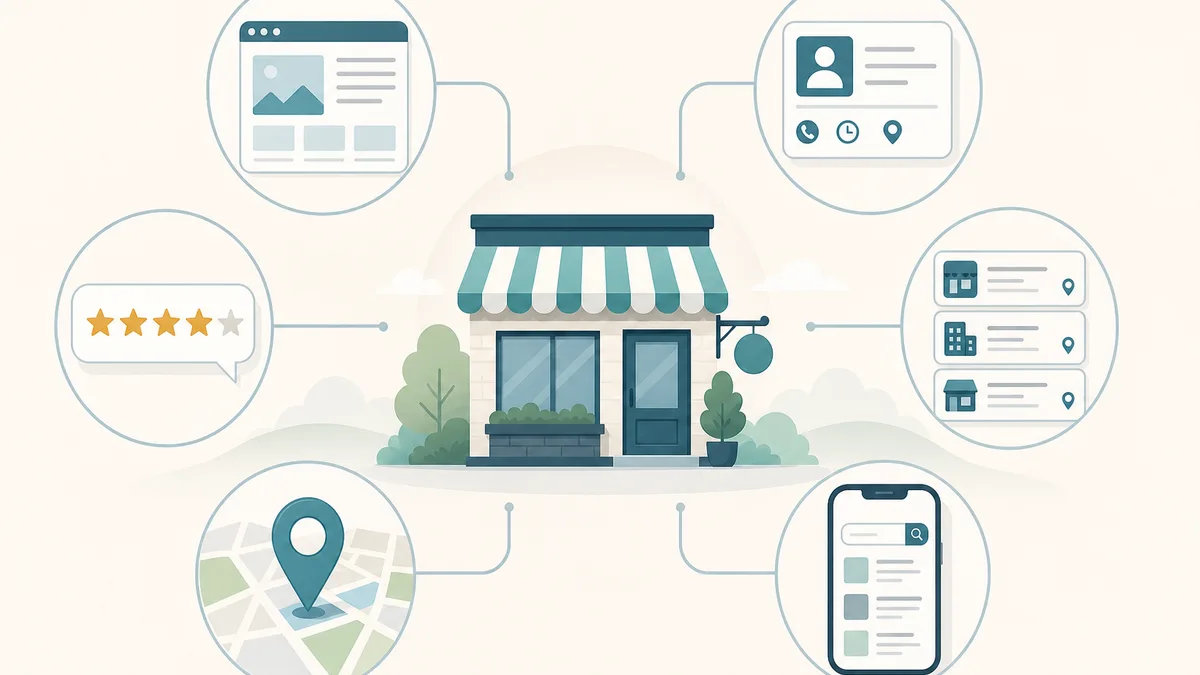
Rather than relying on a single ranking factor, Google evaluates information from different sources to understand:
- What the business does
- Where it operates
- Whether it matches the user's search
- Whether it appears trustworthy
- Whether it provides a good customer experience
Google also considers the searcher's location, search intent, and the available businesses nearby before displaying local results.
No business can guarantee the top position for every search because rankings vary depending on location and many other factors.
Understanding the Local Map Pack
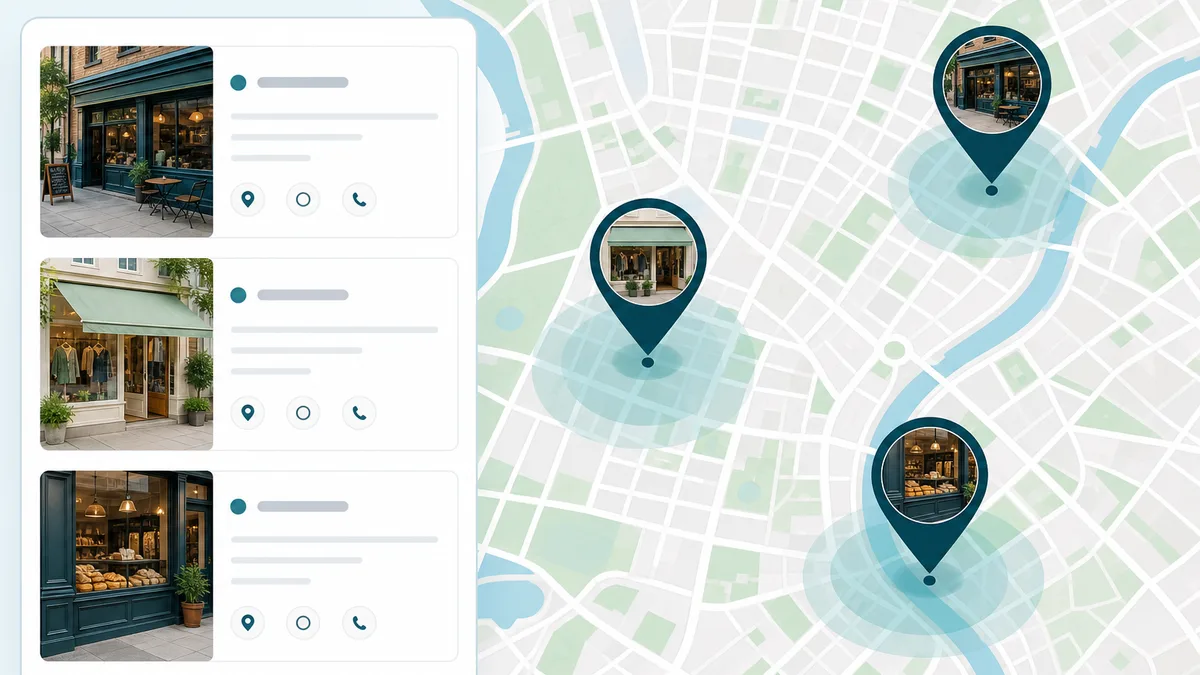
For many searches, Google displays a group of businesses before the standard organic search results.
This section is commonly known as the Local Map Pack.
It usually contains:
- Business name
- Review rating
- Business category
- Address
- Opening hours
- Directions
- Call button
- Website link
Appearing in this section can significantly improve visibility because users often interact with these listings before scrolling further down the page.
However, inclusion depends on relevance, distance, prominence, and the quality of information available about the business.
 Local SEO Wiser
Optimize Your Google Business Profile
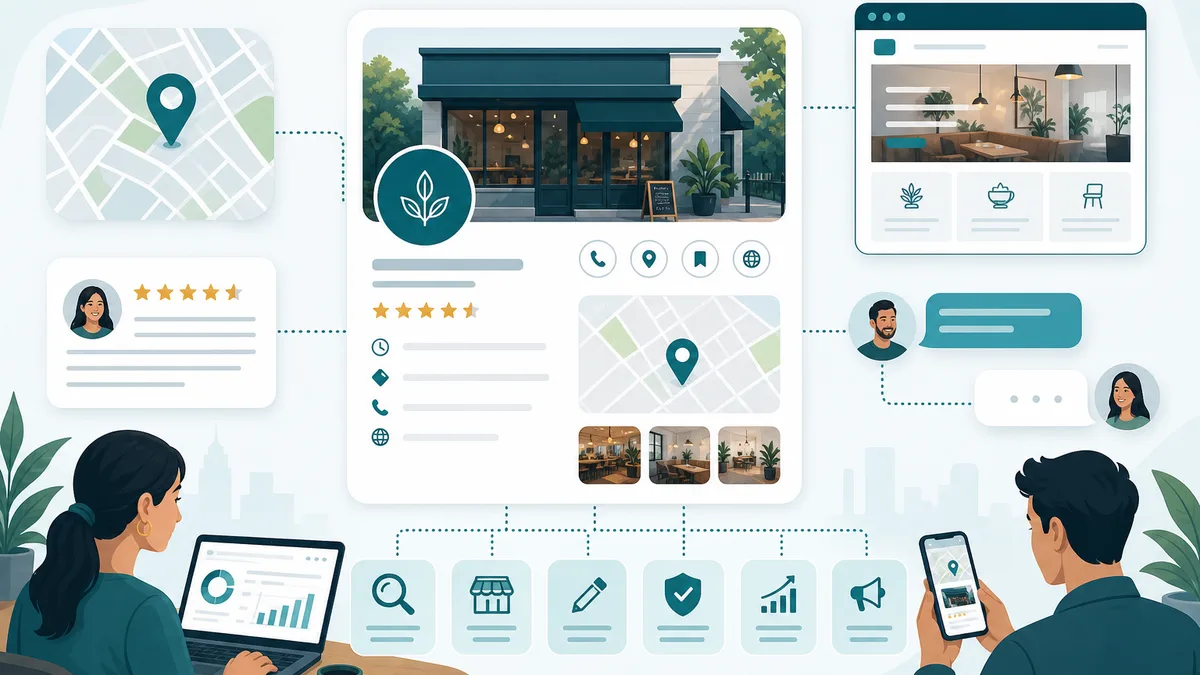
Your Google Business Profile is one of the strongest foundations of Google Maps visibility.
The profile should always contain complete and accurate information, including:
- Business name
- Primary category
- Additional categories (where appropriate)
- Address or service area
- Phone number
- Website
- Opening hours
- Services
- Photos
Incomplete or outdated profiles make it more difficult for both customers and search engines to understand the business.
Businesses should review their profile regularly to ensure information remains accurate.
Verify Your Business
A verified Business Profile provides greater confidence that the listing represents a legitimate business.
Businesses should complete Google's verification process and maintain ownership of their listing.
Keep Information Updated
Whenever business information changes, update the profile as soon as possible.
This includes:
- New phone numbers
- Holiday hours
- Website changes
- Service changes
- Address changes
Accurate information improves customer experience and reduces confusion.
 Local SEO Wiser
Choose the Right Business Categories
Business categories help Google understand the primary purpose of a business.
The primary category should accurately represent the company's main service.
Additional categories can describe genuine secondary services, but they should not be selected simply because they contain valuable keywords.
Choosing accurate categories improves relevance without misleading customers.
Keep Business Information Consistent
Consistency is one of the foundations of Local SEO.
Google compares information from multiple trusted sources to better understand a business.
Important details that should remain consistent include:
- Business name
- Address
- Phone number
- Website
- Opening hours
- Service areas
If customers or search engines find conflicting information, it may become more difficult to understand which details are correct.
Businesses should periodically review major directories, their own website, and their Google Business Profile to ensure that all information matches.
Avoid Outdated Information
Businesses often change phone numbers, relocate offices, or update their websites.
Whenever these changes occur, update every major online listing as quickly as possible to avoid customer confusion.
Build High-Quality Reviews
Customer reviews help both customers and search engines understand a business.
While reviews alone do not determine rankings, they contribute to a business's overall online reputation.
Businesses should encourage genuine customers to leave honest feedback after completing a service or purchase.
Respond to Every Review
Responding to reviews demonstrates that the business values customer feedback.
For positive reviews:
- Thank the customer.
- Keep the response personal.
- Encourage future visits where appropriate.
For negative reviews:
- Remain professional.
- Avoid arguments.
- Acknowledge the concern.
- Offer an appropriate next step if possible.
Future customers often read review responses before deciding to contact a business.
Improve Your Website
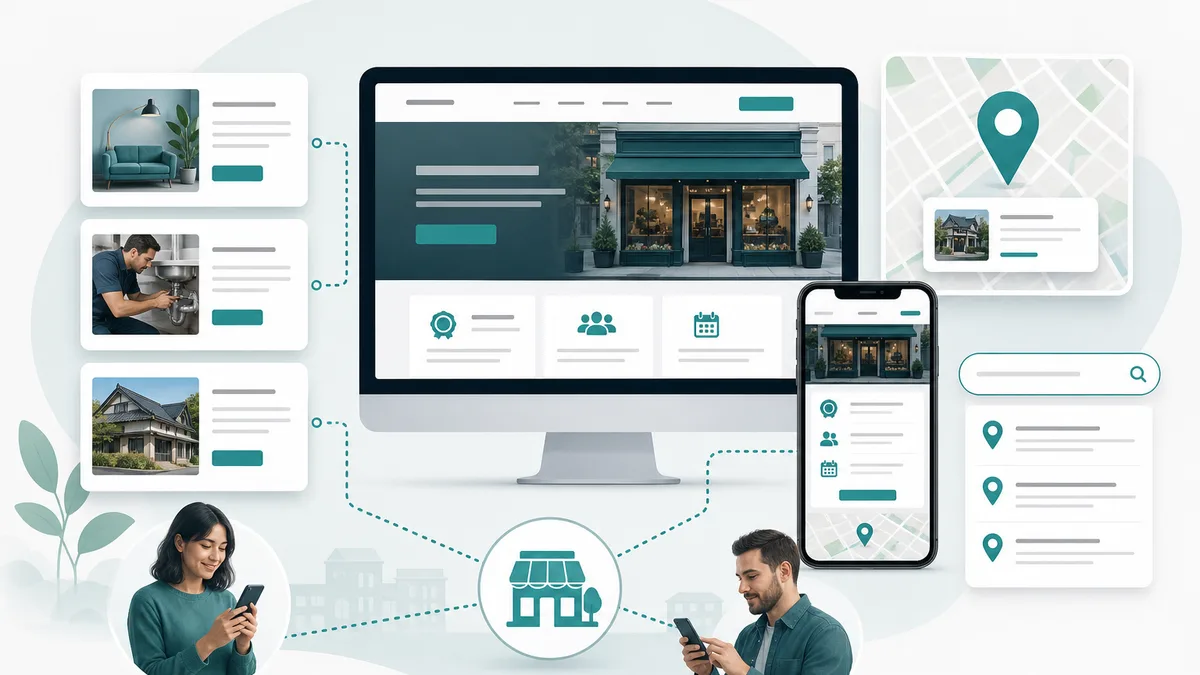
A Google Business Profile should be supported by a helpful website.
Your website gives Google additional context about your services, locations, expertise, and customer experience.
Useful pages include:
- Homepage
- Service pages
- Location pages
- About page
- Contact page
- FAQ pages
- Helpful blog articles
The website should make it easy for visitors to understand what the business offers and how they can get in touch.
Mobile Experience
Many Google Maps users search from mobile devices.
A website should:
- Load quickly.
- Be easy to navigate.
- Display contact information clearly.
- Allow visitors to call or request a quote without difficulty.
A poor mobile experience can discourage potential customers even if they discover the business through Google Maps.
 Local SEO Wiser
Create Strong Local Content
Helpful content supports Local SEO by answering questions that potential customers commonly ask.
Examples include:
- Service guides
- Local area pages
- Educational blog articles
- Frequently asked questions
- Industry-specific resources
The purpose is to provide useful information rather than simply repeating keywords.
Businesses that consistently publish helpful content create more opportunities for search engines to understand their expertise.
Build Local Citations
A citation is any online mention of a business's identifying information.
Examples include:
- Local directories
- Chamber of Commerce listings
- Industry directories
- Community websites
- Professional associations
Citations should always contain accurate information.
A smaller number of trusted citations is generally more valuable than submitting a business to hundreds of unrelated websites.
Earn Relevant Local Backlinks
Links from reputable local websites can strengthen a business's online authority.
Potential sources include:
- Local news websites
- Community organisations
- Business associations
- Industry publications
- Local sponsorships
- Partner businesses
Businesses should focus on earning relevant links naturally through genuine relationships and useful content.
Buying or exchanging low-quality links should be avoided.
Improve Website Technical SEO
Technical SEO helps search engines crawl, understand, and index your website efficiently.
Important technical areas include:
- HTTPS security
- Mobile responsiveness
- Page speed
- XML sitemap
- Robots.txt
- Structured data
- Broken-link monitoring
- Image optimisation
Technical improvements support the overall user experience and help search engines access important content more effectively.
 Local SEO Wiser
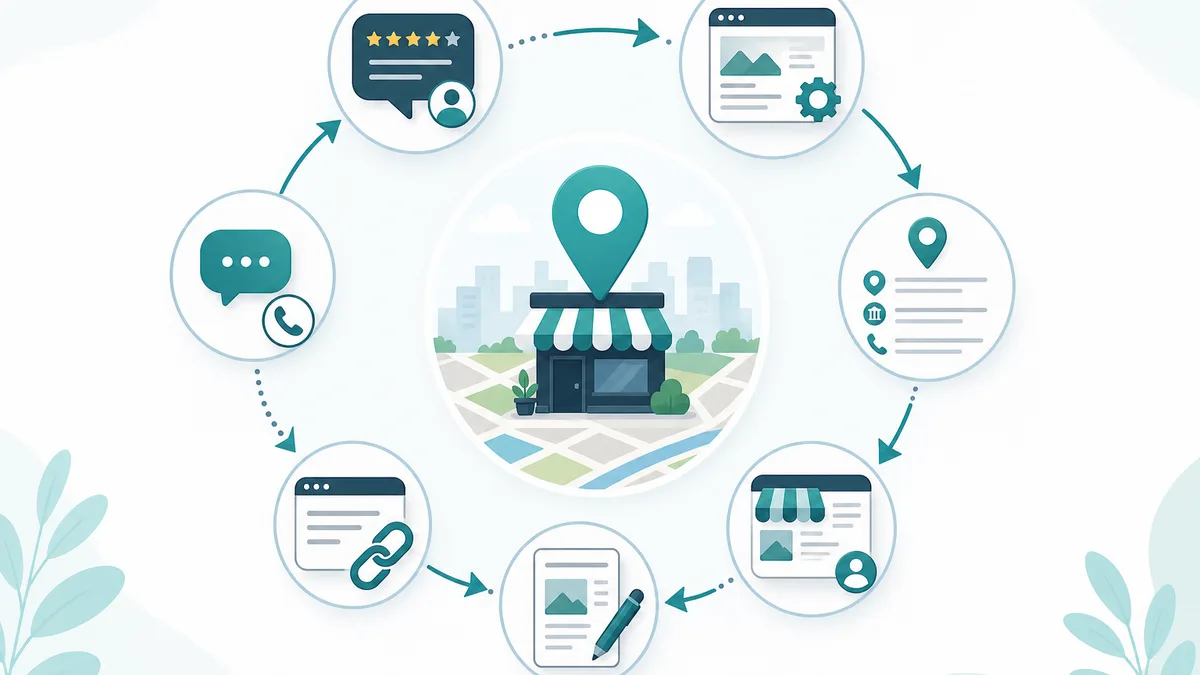
Track Google Maps Performance
Improving visibility is only one part of Local SEO.
Businesses should also monitor meaningful outcomes such as:
- Phone calls
- Website visits
- Direction requests
- Contact form submissions
- Appointment requests
- Quote requests
- Customer enquiries
Tracking these interactions provides a better understanding of how local visibility supports business growth.
Common Google Maps SEO Mistakes
Businesses sometimes reduce their visibility by making avoidable mistakes.
Common examples include:
- Incomplete Business Profiles
- Incorrect business categories
- Inconsistent contact information
- Duplicate business listings
- Keyword stuffing in the business name
- Fake customer reviews
- Ignoring profile updates
- Poor website quality
- Slow mobile pages
- Thin location pages
Avoiding these problems helps build a stronger and more trustworthy online presence.