Introduction
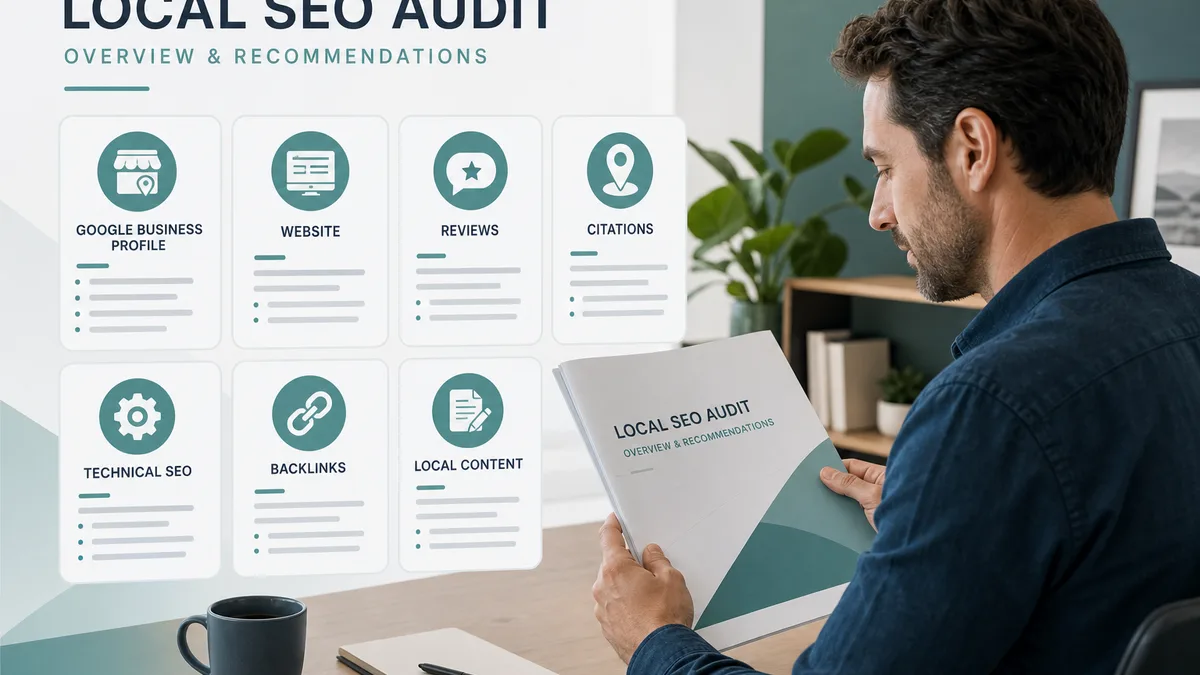
A Local SEO audit helps you identify the strengths and weaknesses of your online presence. Instead of guessing why your business isn't performing well in local search results, an audit provides a structured way to review the areas that influence visibility.
Businesses often focus on a single issue—such as reviews or keywords—when the real problem may involve several smaller issues working together. An audit helps uncover these gaps so they can be addressed systematically.
In this guide, you'll learn how to perform a practical Local SEO audit, what to check, and how to prioritize improvements that support long-term local search visibility.
What Is a Local SEO Audit?
A Local SEO audit is a detailed review of the factors that influence how your business appears in local search results and Google Maps.
The goal is to answer questions such as:
- Is my Google Business Profile complete?
- Is my website supporting Local SEO?
- Is my business information consistent?
- Are customers finding accurate information?
- Are there technical issues affecting visibility?
Rather than looking at rankings alone, an audit evaluates the overall health of your local online presence.
 Local SEO Wiser
Why Regular Audits Matter
Local SEO changes over time.
Businesses update services, move locations, change phone numbers, publish new content, and receive new customer reviews.
Without regular reviews, outdated information can remain online and reduce customer confidence.
Routine audits help businesses:
- Keep information accurate
- Improve customer experience
- Identify technical issues
- Strengthen local relevance
- Maintain consistency across platforms
An audit is also useful before launching a new marketing campaign or redesigning a website.
Step 1 — Review Your Google Business Profile
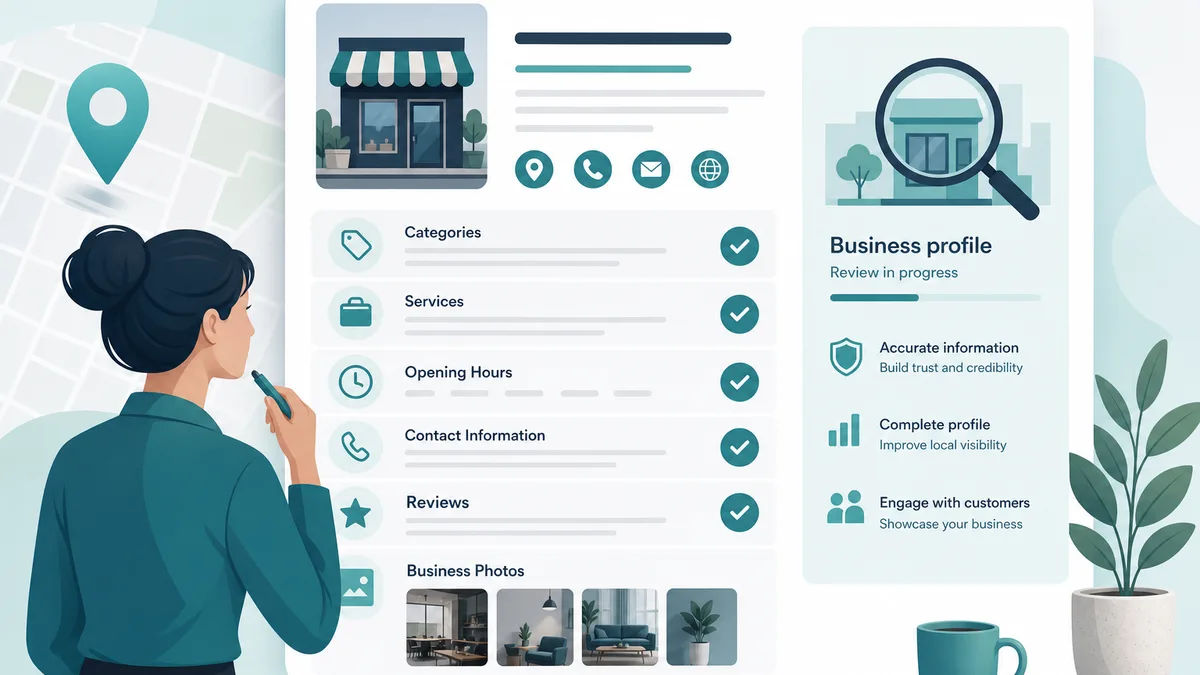
Begin with your Google Business Profile.
Check that the following information is accurate:
- Business name
- Primary category
- Secondary categories
- Address or service area
- Phone number
- Website
- Opening hours
- Business description
- Services
- Photos
Check for Completeness
Complete every relevant section of the profile.
Missing information can make it harder for both customers and search engines to understand your business.
Review Recent Updates
Ensure business hours, services, and contact details reflect your current operations.
 Local SEO Wiser
Step 2 — Audit Your Website
Your website should support your Business Profile by providing detailed, useful information.
Review:
- Homepage
- Service pages
- Location pages
- About page
- Contact page
- Blog
- Navigation
- Mobile experience
The goal is to make it easy for visitors to understand what your business offers and how to contact you.
Step 3 — Review On-Page SEO
Check every important page for:
- Page titles
- Meta descriptions
- Heading structure
- Internal links
- Image alt text
- Keyword relevance
- Readability
Focus on making content useful and easy to understand rather than repeating keywords.
Step 4 — Audit Local Citations
Local citations help search engines verify your business information.
Review all major listings to ensure they contain consistent information.
Check:
- Business name
- Address
- Phone number
- Website
- Business hours
Look for:
- Duplicate listings
- Old phone numbers
- Previous addresses
- Broken website links
- Incorrect categories
Correct inconsistencies wherever possible.
Prioritize Trusted Sources
Focus first on major business directories, industry-specific directories, local business associations, and chambers of commerce before expanding to smaller websites.
Step 5 — Review Customer Reviews
Customer reviews affect both trust and customer decision-making.
Review:
- Overall review quality
- Recent reviews
- Response rate
- Common customer feedback
- Unanswered reviews
Respond Professionally
Reply to both positive and negative reviews in a professional manner.
Thoughtful responses show that your business values customer feedback.
Identify Patterns
Recurring praise or complaints often highlight opportunities to improve customer experience.
Step 6 — Review Local Content
Helpful content supports Local SEO by demonstrating expertise.
Review whether your website includes:
- Service pages
- Location pages
- Helpful blog articles
- Frequently asked questions
- Industry resources
Look for outdated information, duplicate content, or pages that provide little value.
Update older content where appropriate.
Step 7 — Perform a Technical SEO Audit
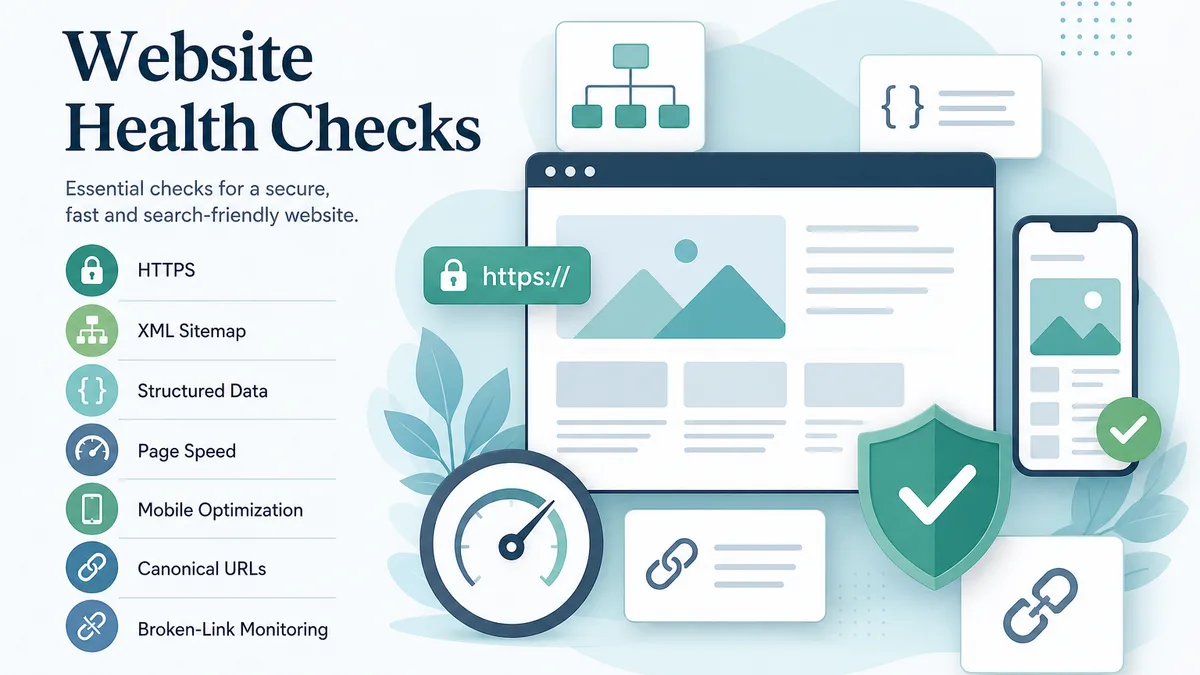
Technical issues can prevent search engines from properly understanding your website.
Review:
- HTTPS
- XML Sitemap
- Robots.txt
- Mobile responsiveness
- Page speed
- Structured data
- Canonical URLs
- Broken links
- Redirects
- Image optimisation
Address critical technical issues before making smaller optimization changes.
 Local SEO Wiser
Step 8 — Review Backlinks
Backlinks help establish website authority.
Review whether links come from relevant, trustworthy websites.
Examples include:
- Local organizations
- Community websites
- Industry associations
- Local news websites
- Professional partners
Avoid focusing on link quantity alone.
Quality and relevance are generally more valuable than large numbers of low-quality links.
Step 9 — Analyze Local Competitors
Review businesses that consistently appear in local search results for your primary services.
Compare areas such as:
- Business Profile completeness
- Website quality
- Service pages
- Location pages
- Customer reviews
- Content
- Local authority
The goal is to identify practical opportunities for improvement rather than copying competitors.
 Local SEO Wiser
Step 10 — Prioritize Your Findings
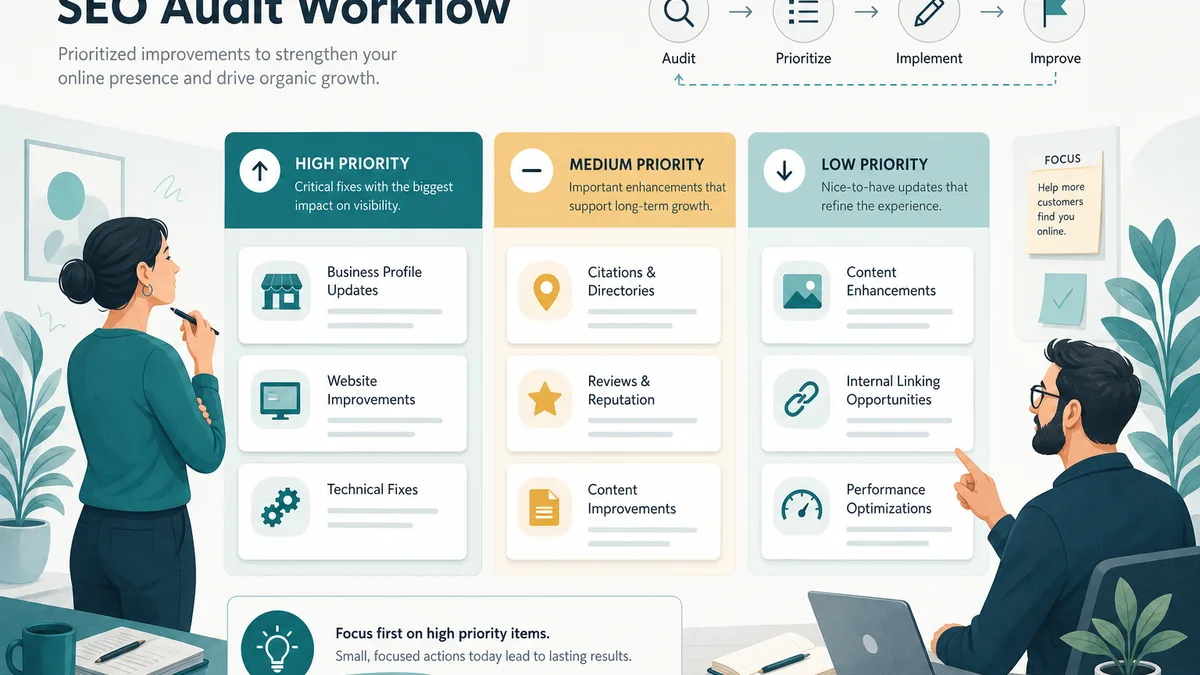
Not every issue has the same level of impact.
Group findings into three categories:
High Priority
Issues that directly affect customers or prevent search engines from understanding your business.
Examples:
- Incorrect contact information
- Broken website
- Missing Business Profile details
- Major technical errors
Medium Priority
Areas that improve relevance and user experience.
Examples:
- Updating service pages
- Improving location pages
- Publishing helpful content
- Improving internal linking
Lower Priority
Long-term improvements that strengthen authority over time.
Examples:
- Building local partnerships
- Earning additional backlinks
- Expanding educational content
- Adding new case studies
Working through improvements in priority order makes the audit process more manageable.
Common Local SEO Audit Mistakes
Businesses often reduce the value of an audit by making avoidable mistakes.
Common examples include:
- Checking rankings only
- Ignoring website quality
- Overlooking customer reviews
- Forgetting citation consistency
- Ignoring technical SEO
- Never updating old content
- Focusing on competitors instead of customers
- Treating the audit as a one-time task
A Local SEO audit should become part of an ongoing optimization process rather than a single project.